


Providing HR professionals with the latest industry news, best practices, and thought leadership to help navigate the ever-changing landscape of human resources.



When it comes to hiring veterans and military spouses, the gap between intention and impact is glaring. How can HR leaders close the gap and provide meaningful employment to those who have served as well as their spouses?
Rob Arndt, CEO of Buffer Springs and Marine Corps veteran, joined HRCI for an Alchemizing HR webinar to take a closer look at the current barriers, what needs to change, and how organizations can leverage this population and build a strategy that yields results for everyone. BufferSprings partners with companies to develop veteran and military spouse programs that go beyond looking good on paper and deliver results. What may have been viewed as a charity effort in the past is now a data-driven effort to improve business outcomes across industries for the military-connected community.
The bad news is that the veteran and military spouse community is underutilized in the current world of work. The good news is that every one of these problems can be fixed.
With the rescinding of Executive Order 11246 earlier this year, many organizations paused or quietly ended their DEI programs. However, VEVRAA (Vietnam Era Veterans’ Readjustment Assistance Act) and Section 503 are still active and prohibit federal contractors and subcontractors from discriminating against protected veterans in all aspects of employment.
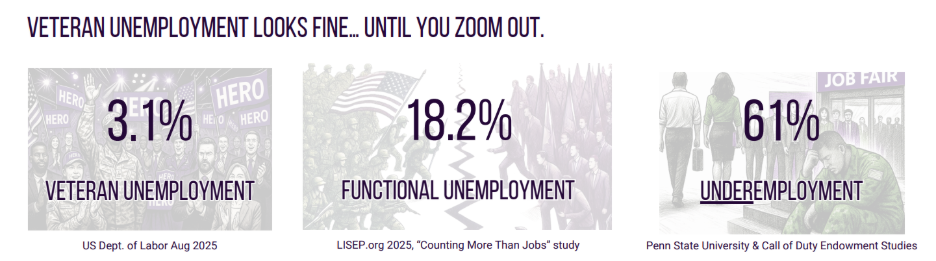
Functional unemployment for veterans is 18.2% with around 61% of veterans saying they are underemployed (i.e., their civilian job doesn’t fully utilize their skills, education, or experience) three years after leaving the military.
How can this be remedied? The solution is rooted in accountability. Rather than simply following the latest directive, we must take an honest look at the system that is failing this population. It is time to equip HR pros with the tools and information to decode military experience and eliminate bias.
Military households are fighting an uphill battle in the job market, but military spouses are not sitting idle. Despite an unemployment rate of about 22%, 88% are college-educated (DoW, 2023) and bring adaptability, loyalty, and strong qualifications to the workforce. Yet, more than 50% report underemployment or career instability (GAO, 2022). Allowing remote work and flexible options provides stability for spouses who are uprooted every few years.
Key Questions for HR Pros to Consider:
Does your culture make veterans and military spouses feel welcomed, supported, and valued?
Who is accountable for veteran retention?
“Culture is ownership. You can't outsource culture. You have to lead it; you have to invest in it every single day. And when your leadership sets the tone, compliance follows naturally,” according to Arndt. “It shouldn't be the opposite, and that's the way it is in some of these organization.”
The military-connected community understands how to operate effectively in uncertain, high-pressure environments. Leading with a solution-first mindset, discipline, and trust, many veterans are exactly what hiring managers are looking for to build effective teams.
With the proper questions to align military experience to relevant roles, HR pros can create pathways to attract, hire, and retain these candidates.
Research shows that veterans lead with productivity and discipline. By investing in skill growth and leadership, hiring programs will attract this community. “Veterans don’t chase titles. We chase purpose. When you connect our mission to the company mission, engagement and retention rise,” said Arndt.
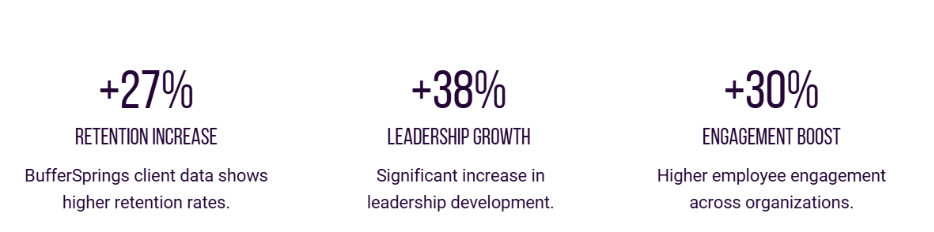
A shared vision and guided growth that reinforces personal contribution and a sense of belonging will set the military-connected community up for success.
As organizations plan for 2026, this is an ideal moment for HR teams to step back and assess how well their current systems support military-connected talent. With clear leadership buy-in and intentional program ownership, HR professionals can shift the narrative from transactional hiring to long-term integration.
This BufferSprings program assessment checklist begins with candidate sourcing all the way to build sustained engagement and long-term impact. What sets this framework apart is the commitment to metrics and long-term impact. With accountability and informed recruiters, organizations can deliver meaningful impacts in the military connected community.
By recognizing the strengths veterans and military spouses bring and aligning those strengths with organizational priorities, employers can build teams that are more resilient, engaged, and prepared for future challenges. Integrating this community into your talent strategy strengthens productivity, retention, and leadership outcomes—not just optics or philanthropy.
Source:
This blog was sourced from an Alchemizing HR webinar on November 6, 2025.